Selecting an injection molding machine requires matching tonnage, injection capacity, and control systems to your parts. This guide provides a practical framework for procurement, covering key specifications and a decision checklist to help buyers make informed equipment choices.
- Match machine tonnage to the largest mold or part in your production mix.
- Verify injection capacity against the slowest material in your portfolio.
- Prioritize control systems that offer stable temperature, pressure, and position feedback.
- Include maintenance access and spare parts availability in your total cost evaluation.
- Run a trial period with representative parts before finalizing the purchase.
Define the Production Scope Before Sizing
Procurement teams often begin the search with a tonnage figure. That approach usually leads to overbuying or equipment that struggles with fast cycles. The first step is to map the parts you will actually run. List the largest mold, the thickest section of the part, and the slowest material in your current and planned portfolio.
A machine sized for a 50 ton mold may look affordable on paper. If that same machine must also run high viscosity materials at short cycles, the hydraulic system may work harder than designed. This extra stress shows up as longer cycle times and higher energy use. Define the production scope before you look at a spec sheet.
The scope should include the part family, the material list, and the expected production rate. If you plan to add a new resin line in the future, note that requirement now. A machine that handles your current ABS and PP parts well might need a different injection speed to handle a high-flow nylon.
Evaluate Tonnage and Mold Weight
Tonnage refers to the clamping force the machine can apply to the mold. This force keeps the mold plates closed during injection. The rule of thumb is to match the clamping force to the projected mold weight plus the pressure exerted by the molten material.
Do not size the machine for the largest mold you will ever buy. Size it for the largest mold you will run in a stable production run. A 1,000 ton machine can clamp a 900 ton mold, but if that mold is only used five percent of the time, the extra tonnage is dead weight.
Check the mold weight data from your tooling vendor. If you do not have that data, estimate it from the mold dimensions and material. For a large automotive part, the mold weight will be substantial. For a small connector, the mold weight is often low. The difference changes the required machine size.
Match Injection Capacity to Material Behavior
Injection capacity is the volume of material the machine can move per shot. This is critical for parts with thick sections or slow-flowing materials. A part with a 12 mm wall may require a higher injection rate to fill the cavity before the material cools.
Check the injection pressure and speed ratings of the machine. Compare them against the requirements of your slowest material. If you run a high viscosity resin, you need a machine with a strong injection unit that can maintain pressure without losing speed.
The hydraulic power unit is the heart of the injection system. Look for a unit that can deliver the required flow at the required pressure. A machine that meets the pressure requirement at low flow but drops off at high flow will struggle with thick-walled parts.
Control Systems and Process Stability
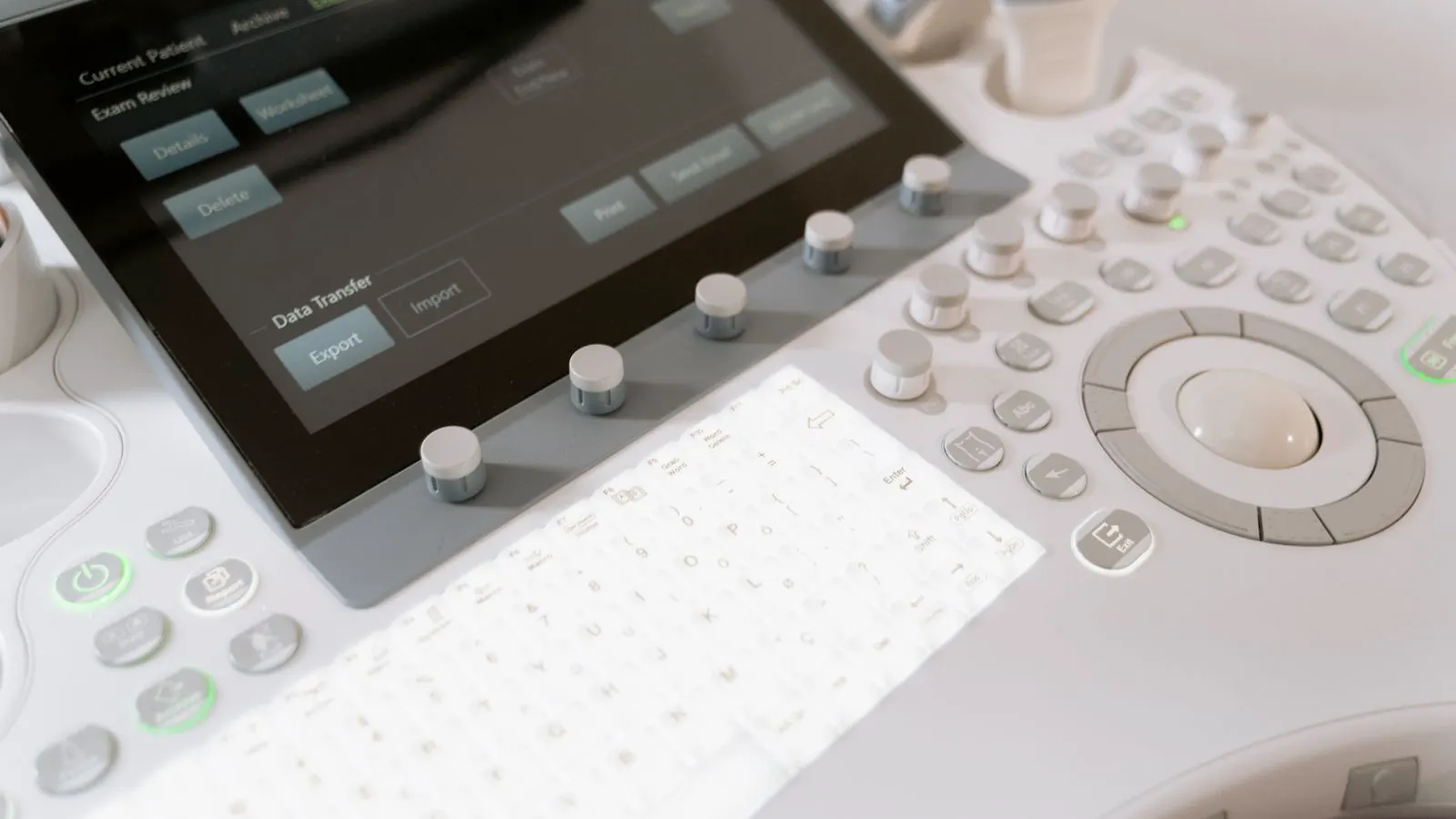
Modern machines rely on servo-driven hydraulic systems and advanced control loops. These systems manage temperature, pressure, and position to keep parts consistent. The control interface is where the operator sees the process. If the screen is cluttered or the data is hard to read, the operator will not catch a problem early.
Look for a machine that provides stable feedback from the nozzle, the mold, and the injection unit. You want to see real-time pressure curves and temperature profiles. These data points help you adjust the process quickly.
The control system should support recipe storage. If you switch materials or part sizes, the operator should be able to load a saved recipe in seconds. Manual re-entry invites errors. A good control system reduces setup time and prevents mistakes.
Maintenance Access and Spare Parts
A machine that is hard to service will cost more over time. Inspect the layout during a factory visit. Can the hydraulic hoses be replaced without moving the entire hydraulic pack? Can the nozzle be changed without disassembling the injection unit?
Check the availability of spare parts for your specific model. If the manufacturer has a global parts network, you can order a worn seal or a damaged valve quickly. If parts must be imported from a single location, downtime increases.
Ask the vendor for a typical maintenance schedule. What parts wear out on a standard cycle count? Knowing the service intervals helps you budget for upkeep. A machine that requires frequent oil changes or filter replacements adds to the total cost of ownership.
Total Cost of Ownership and Vendor Support
The sticker price is only the first number. The total cost of ownership includes energy use, maintenance, training, and downtime. A cheaper machine that uses more power or has a higher failure rate will cost more in the long run.
Request energy data from the vendor. Ask for the average kilowatt-hours per shot for a representative part. This number lets you compare machines on a fair basis. A machine with a higher initial cost but lower energy use may save money over five years.
Vendor support matters. Ask about the warranty terms. What is covered? What is excluded? How long is the response time for a breakdown? A vendor that offers local service and training will keep your line running. A vendor that only provides remote support may leave you waiting days for a fix.
Criteria Comparison Table
The table below summarizes the key factors to evaluate during procurement.
| Criterion | What to look for | Why it matters |
|---|---|---|
| Tonnage | Match to largest mold plus material pressure | Ensures the mold stays closed and prevents part defects |
| Injection Capacity | Verify volume and speed for thickest parts | Fills cavities before material cools, preventing short shots |
| Hydraulic System | Servo-driven unit with stable flow and pressure | Reduces energy use and maintains consistent cycle times |
| Control Interface | Clear displays for pressure, temperature, and position | Helps operators catch process drift early |
| Maintenance Access | Easy access to hoses, nozzles, and valves | Reduces downtime during routine service |
| Spare Parts | Available through a reliable supply chain | Minimizes production stoppages |
Running a Trial Period
Before finalizing the purchase, ask for a trial run. Load a representative mold and run your most difficult part. Watch the first hour of production. Note any pressure drops, temperature swings, or cycle time variations.
Bring your process engineer. They can check the injection profile and confirm that the machine is performing within the expected range. If the machine struggles with a part that should be easy, that is a red flag.
A trial period reveals issues that a spec sheet will not show. It tests the machine under real conditions. If the trial goes well, you can move forward with confidence.
Decision Checklist
Use this checklist to confirm you have evaluated all key areas before signing the purchase order.
- The machine tonnage matches the largest mold in your production mix.
- The injection capacity handles the slowest material in your portfolio.
- The hydraulic system provides stable flow and pressure for your cycle times.
- The control interface displays the process data you need for daily operation.
- Maintenance access is straightforward and the vendor provides clear service instructions.
- Spare parts are available from a reliable supply chain.
- The total cost of ownership, including energy and maintenance, fits your budget.
- The vendor offers a warranty that covers critical components.
- A trial run with a representative part has been completed successfully.
- The operator and process engineer are comfortable with the machine layout.
If you can check all ten boxes, you are ready to proceed. If any box remains unchecked, address it before the purchase. A machine that looks good on paper but fails in the plant will cost more than a slightly more expensive unit that performs reliably.
Frequently asked questions
How do I know if the tonnage is sufficient for my mold?
Compare the mold weight to the machine clamping force. The force should exceed the mold weight plus the pressure from the molten material.
What is the difference between hydraulic and servo hydraulic injection units?
Servo hydraulic systems use electric motors to drive the pumps. They typically offer better energy efficiency and more precise flow control than traditional hydraulic systems.
Should I buy a machine with a larger capacity than I need?
Only if you have a clear plan to use the extra capacity. Unused tonnage and injection volume increase energy costs and maintenance needs without adding value.
How long should a trial run be?
Run the trial for at least one full production shift. This covers the first hour of process stabilization and a full set of tool changes.
What documents should I request from the vendor before purchase?
Request the full technical data sheet, the warranty terms, the maintenance schedule, and a list of available spare parts with lead times.