Choosing a molder requires checking tooling capability, responsiveness, and risk planning. This guide provides criteria and a checklist to select a reliable partner for new mold development.
- Verify specific tooling capability for your material and part complexity.
- Measure molder responsiveness with clear communication protocols and response times.
- Review risk and contingency plans to protect production schedules.
- Use a decision checklist to compare shortlisted suppliers against your project needs.
- Confirm quality certifications and process controls match your industry requirements.
Defining the Scope of Your Molder Selection
Selecting a molder for custom tooling projects requires a structured approach. You need a partner who can handle the full lifecycle, from initial design review to production handoff. The decision often determines your part quality, cost, and time to market.
Start by defining the technical scope of the part. Identify the material, wall thickness, and surface finish requirements. List any secondary operations such as overmolding or post-molding assembly. These details shape the equipment and tooling decisions. A molder may handle simple housings easily but struggle with thin-walled medical components. For example, a translucent polycarbonate lens with tight optical tolerances demands different thermal management than a matte ABS keyboard key. Specify the resin grade and confirm if the molder stocks it or requires a special order. This prevents delays during tooling trials.
Consider the volume requirements. A prototype run of fifty parts uses different tooling strategies than a production run of two million units. The molder must have the capacity to support your projected output. Ask about their production slots and current backlog. A fully loaded factory may delay your start date. If your volume is fluctuating, explain the expected ramp-up curve. A molder used to steady state production may not be equipped for rapid scale-up or sudden demand spikes.
Clarify the geographic preference. Onshore suppliers offer faster communication and easier visits. Offshore partners may provide lower tooling costs. The choice depends on your part criticality and supply chain strategy. Review your internal logistics before deciding. If your part is safety-critical or requires frequent design changes, onshore access to the tooling shop reduces iteration time. If your part is a high-volume commodity item with stable specifications, offshore tooling may optimize your cost structure.
Evaluating Tooling Capability
Tooling capability is the core of this decision. The molder must build molds that meet your dimensional and functional requirements. Ask for a list of similar projects completed in the last two years. Request specific examples of parts with similar material and complexity. Look for parts with similar gate locations, cooling requirements, and surface finishes. A molder who has produced a complex automotive dashboard is not necessarily capable of producing a high-precision optical lens.
Review their standard tooling practices. Check if they use hardened inserts, cooling channel design methods, and gate selection logic. A competent team explains the reasoning behind their tooling choices. They should discuss trade-offs, such as using aluminum versus steel for the mold base. Ask how they calculate heat transfer rates for their cooling channels. Poor cooling leads to sink marks and warpage. They should be able to show you examples of cooling layouts that solved specific problems in past projects.
Aluminum molds are common for prototypes and low-volume runs. They cool faster and are cheaper to machine. Steel molds offer longer lifespan for high-volume production. The molder should recommend the right material based on your projected tool life. If you expect to run 10,000 shots, aluminum may suffice. For 500,000 shots, steel is usually the standard. Ask about the steel grades they use, such as H13 or P20, and the heat treatment processes they apply to ensure hardness and wear resistance.
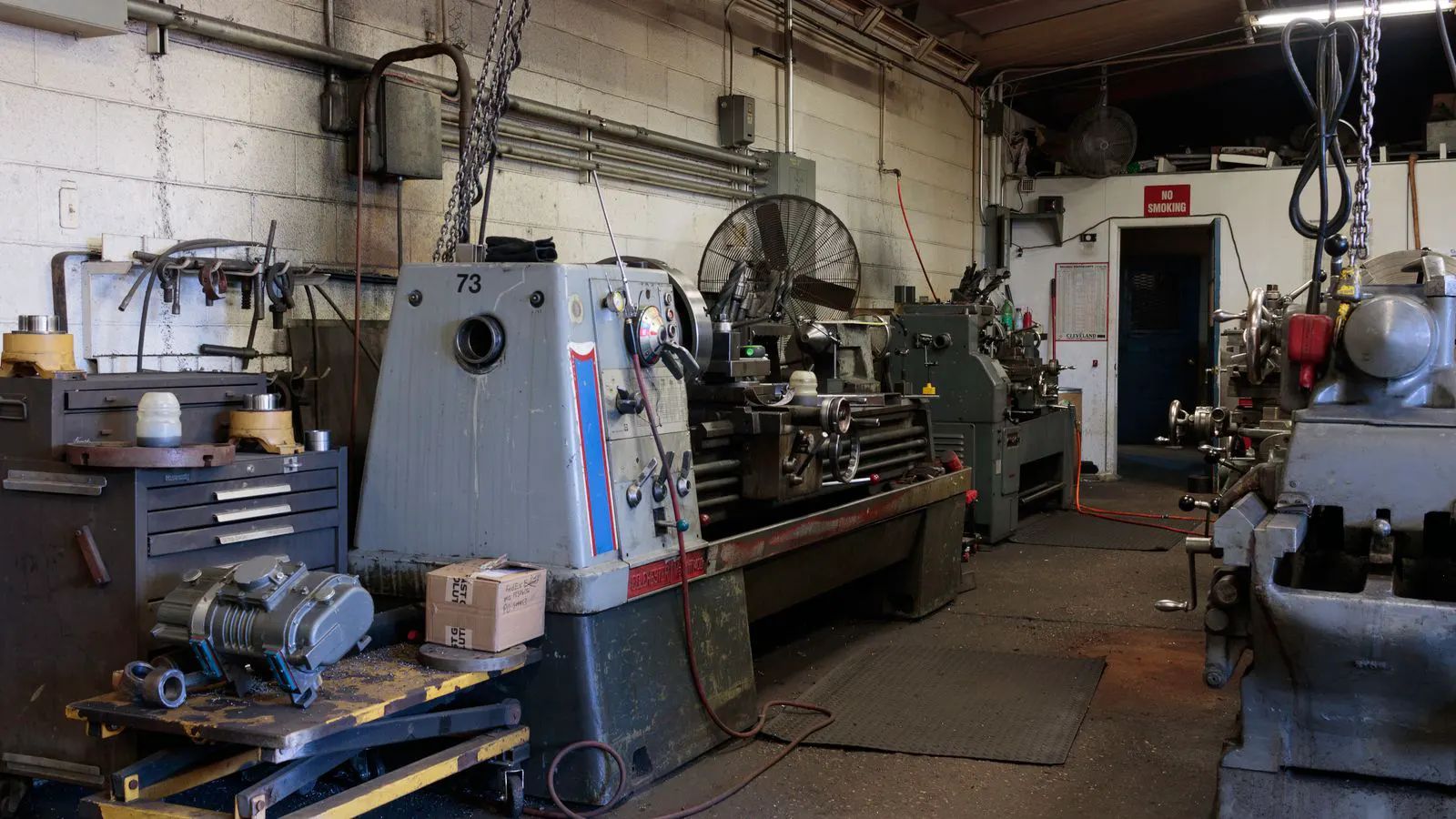
Inspect their tooling shop. If possible, visit their facility or request a video tour. Look for CNC machining centers, EDM equipment, and surface finishing capabilities. A molder who outsources all tooling work may have less control over quality and schedule. Check if they have in-house EDM for intricate cavities and if they have a separate area for precision grinding. Surface finishing, such as polishing or etching, directly impacts the final part appearance. Ensure they have the capability to achieve your specified finish without external subcontractors.
Ask about their mold maintenance and repair process. Who maintains the molds during production? What happens if a component wears? A reliable partner has a dedicated team for tooling support. They should offer preventive maintenance schedules and rapid repair options. Ask about their stock of critical components like springs, pins, and nozzles. If a part breaks during a production run, the time to source a replacement determines your downtime.
Assessing Quality Systems and Process Controls
Quality systems protect your part performance. Review the molder’s quality management system. Look for documented procedures for first article inspection, in-process checks, and final inspection. Ask for their control plan and inspection reports from similar projects. The control plan should detail who performs each check, what equipment is used, and the frequency of inspection.
For medical parts, confirm ISO 13485 capabilities. This standard requires stricter controls on traceability, design validation, and supplier management. A molder with this certification should be able to provide detailed audit trails. For other industries, look for ISO 9001 or equivalent quality certifications. Check if the certification covers the specific facility where your parts will be produced. Multi-site operations may have different levels of compliance at each location.
Check their measurement laboratory. They need calibrated equipment for dimensional inspection. Ask about their use of CMMs, optical scanners, or profile gauges. A molder who relies solely on manual checks may miss subtle deviations. Verify if their CMMs are calibrated against national or international standards. Ask about the environmental conditions in the lab. Temperature fluctuations can cause measurement errors. A stable, climate-controlled lab is critical for high-precision parts.
Discuss their process control methods. Look for use of SPC charts, in-mold sensors, and automated data collection. These tools detect drift before parts become nonconforming. The molder should share sample data from recent production runs. Look for charts that show variation over time. If they only provide pass/fail data, they may not be detecting subtle shifts in the process. Ask if they use in-mold pressure or temperature sensors to monitor the molding cycle in real time.
Review their corrective action process. Ask how they handle escapes or nonconforming parts. A mature team uses root cause analysis and implements permanent fixes. They should not just scrap parts but address the underlying process issue. Ask about their use of the 5-Why method or fishbone diagrams. Check if they document corrective actions and track their effectiveness over time. A strong corrective action system prevents the same problem from recurring.
Measuring Responsiveness and Communication
Responsiveness affects your project timeline. A slow molder delays tooling approvals and production decisions. Establish clear communication protocols before signing a contract. Define who handles technical questions, schedule updates, and issue resolution. Miscommunication is a common cause of project delays.
Set response time expectations. For example, require a reply to emails within one business day. For urgent issues, require a phone call within four hours. Document these expectations in the statement of work. A responsive molder respects these boundaries. If they cannot meet these targets, discuss why and how they will compensate for the delay.
Evaluate their project management structure. Ask if you will have a dedicated project manager. This person should coordinate between your engineering team, the molder’s tooling shop, and the production floor. They should provide regular status reports and flag risks early. Ask about the project manager’s technical background. A manager with tooling experience understands the complexities of mold design and production. They can translate technical issues into business impacts.
Test their communication during the proposal phase. Send a technical question about a specific part feature. See how quickly they respond and how detailed their answer is. A good molder asks clarifying questions and provides actionable recommendations. For example, if you ask about a thin wall section, they should suggest a gate location or a cooling channel design that supports your requirement. They should not just say yes or no.
Review their change management process. Part designs often change during tooling. The molder should have a clear process for handling ECOs and design revisions. This process should include impact analysis, approval steps, and updated documentation. Ask how they handle changes after tooling is complete. Changing a mold after steel is machined is expensive and time-consuming. A clear change management process protects both parties from costly errors.
Reviewing Risk and Contingency Planning
Risk planning protects your business. Ask the molder how they manage schedule risks. What happens if a raw material is delayed? How do they handle machine breakdowns? A prepared team has backup plans and alternate suppliers. Ask about their raw material sourcing strategy. Do they buy from multiple suppliers? How long is their standard lead time for resin?
Review their contingency plans for tooling failure. What is the process for repairing a broken mold? Do they have spare critical components? How quickly can they restart production? Ask for a written outline of their emergency response procedures. If a mold breaks, the molder should have a plan to repair it or switch to an alternate machine. Ask about their downtime metrics. How long does it typically take to repair a mold and restart production?
Evaluate their financial stability. A molder facing financial trouble may cut corners or disappear. Check their years in business, customer base, and any public financial information. A stable supplier reduces supply chain risk. Look for signs of financial health, such as a growing customer base and investment in new equipment. A molder that is constantly upgrading its machinery is likely financially stable.
Discuss force majeure clauses in the contract. Define what happens during natural disasters, pandemics, or geopolitical events. Both parties should agree on remedies and timeline adjustments. This protects you from unlimited liability. Ensure the clause is fair and balanced. It should not allow the molder to cancel the contract without penalty.
Review their insurance coverage. Confirm they carry adequate product liability and property insurance. Request certificates of insurance during the qualification process. This protects your company if a defect causes harm. Check the limits of their insurance. If they produce high-risk parts, they should have higher limits. Ask if they carry additional insurance for product recalls.
Comparing Shortlisted Suppliers
Create a comparison matrix for your shortlist. Use the criteria table below to evaluate each molder objectively. Score each supplier from one to five for each criterion. Weight the criteria based on your project priorities.
| Criterion | What to look for | Why it matters |
|---|---|---|
| Tooling capability | Similar project examples, tooling shop equipment, material selection logic | Ensures the molder can build molds that meet your part requirements |
| Quality system | ISO certifications, control plans, measurement lab capabilities | Reduces defect rates and ensures traceability for your parts |
| Responsiveness | Response times, dedicated project manager, communication protocols | Keeps your project on schedule and reduces communication friction |
| Risk planning | Contingency plans, financial stability, insurance coverage | Protects your production timeline and business continuity |
| Production capacity | Current backlog, machine availability, production slots | Determines your start date and ability to meet volume targets |
Use this matrix to rank your candidates. The top scorer becomes your primary choice. Keep the second and third choices as backups. This strategy gives you use during negotiations. Discuss the ranking with your internal team. Ensure everyone agrees on the weights and scores. This reduces the chance of a surprise during the final selection process.
Decision Checklist
Use this checklist before signing a contract with a custom tooling molder.
- Verify the molder has built tools for your specific material and part complexity.
- Confirm their quality system meets your industry requirements and certification needs.
- Establish clear communication protocols and response time expectations.
- Review their risk and contingency plans for schedule and production disruptions.
- Check their financial stability and insurance coverage.
- Confirm they have the production capacity to meet your volume targets.
- Review the contract for clear terms on change management and liability.
Selecting a molder is a long-term decision. The right partner will support your part through its lifecycle. The wrong choice will cause delays, defects, and cost overruns. Use this guide to make an informed selection.
Frequently asked questions
How do I verify a molder's tooling capability for my specific part?
Request examples of similar projects and review their tooling shop. Ask about their material selection logic and standard practices for mold design.
What is the difference between aluminum and steel molds for custom tooling?
Aluminum molds are cheaper and cool faster, making them ideal for prototypes. Steel molds last longer and are better for high-volume production.
How should I measure a molder's responsiveness?
Set clear response time expectations in your contract. Test their communication during the proposal phase and require a dedicated project manager.
What quality certifications should I look for in a custom tooling molder?
Look for ISO 9001 for general parts and ISO 13485 for medical parts. Review their control plans and measurement laboratory capabilities.
Why is risk and contingency planning important when selecting a molder?
It protects your production timeline and business continuity. A prepared team has backup plans for material delays, machine breakdowns, and other disruptions.