Industry Applications
Outlook: Biodegradable Plastics in High-Volume Injection Molding
Biodegradable resins are moving from niche applications to high-volume production. This outlook details five shifts in material selection, mold design, and process
Oct 5, 2026 · 8 min read
Industry Applications
Nylon vs PC: Material Choice for High-Stress Automotive Parts
Nylon excels in high-stress, low-friction automotive parts due to toughness and wear resistance. Polycarbonate offers superior clarity and impact resistance. Procurement
Oct 4, 2026 · 6 min read
Industry Applications
Troubleshooting Delamination in PP Injection Molding Parts
PP delamination appears as surface separation in injection molded parts. It usually stems from moisture, poor mold temperature, or inadequate surface preparation.
Oct 4, 2026 · 6 min read
Industry Applications
Checklist: Validating Resin Certification for Med
This checklist helps regulatory and quality teams verify resin certifications for medical devices. It covers material traceability, medical compliance, and supplier
Oct 4, 2026 · 10 min read
Industry Applications
Troubleshooting Crawl Marks in Injection Molds
Crawl marks happen when resin lacks the energy to fill the mold cavity completely. This guide outlines common symptoms, identifies likely causes like low temperature or
Oct 4, 2026 · 6 min read
Industry Applications
How to Set Injection Pressure for Thin Parts
To set injection pressure for thin parts, start with low settings to establish a baseline. Increase pressure in controlled increments while monitoring cavity pressure
Oct 4, 2026 · 13 min read
Industry Applications
Buyers Guide: Selecting a Molder for Thin Walls
A thin wall injection molding supplier must combine high-speed molding capability, precise process control, and tight dimensional inspection. Evaluate machine tonnage
Oct 4, 2026 · 6 min read
Industry Applications
Cost vs Lead Time: Sourcing Recycled PP
Recycled polypropylene cost is driven by resin quality, sorting, and supply stability, not just raw material price. Lead time depends on sorting batches and logistics. A
Oct 4, 2026 · 8 min read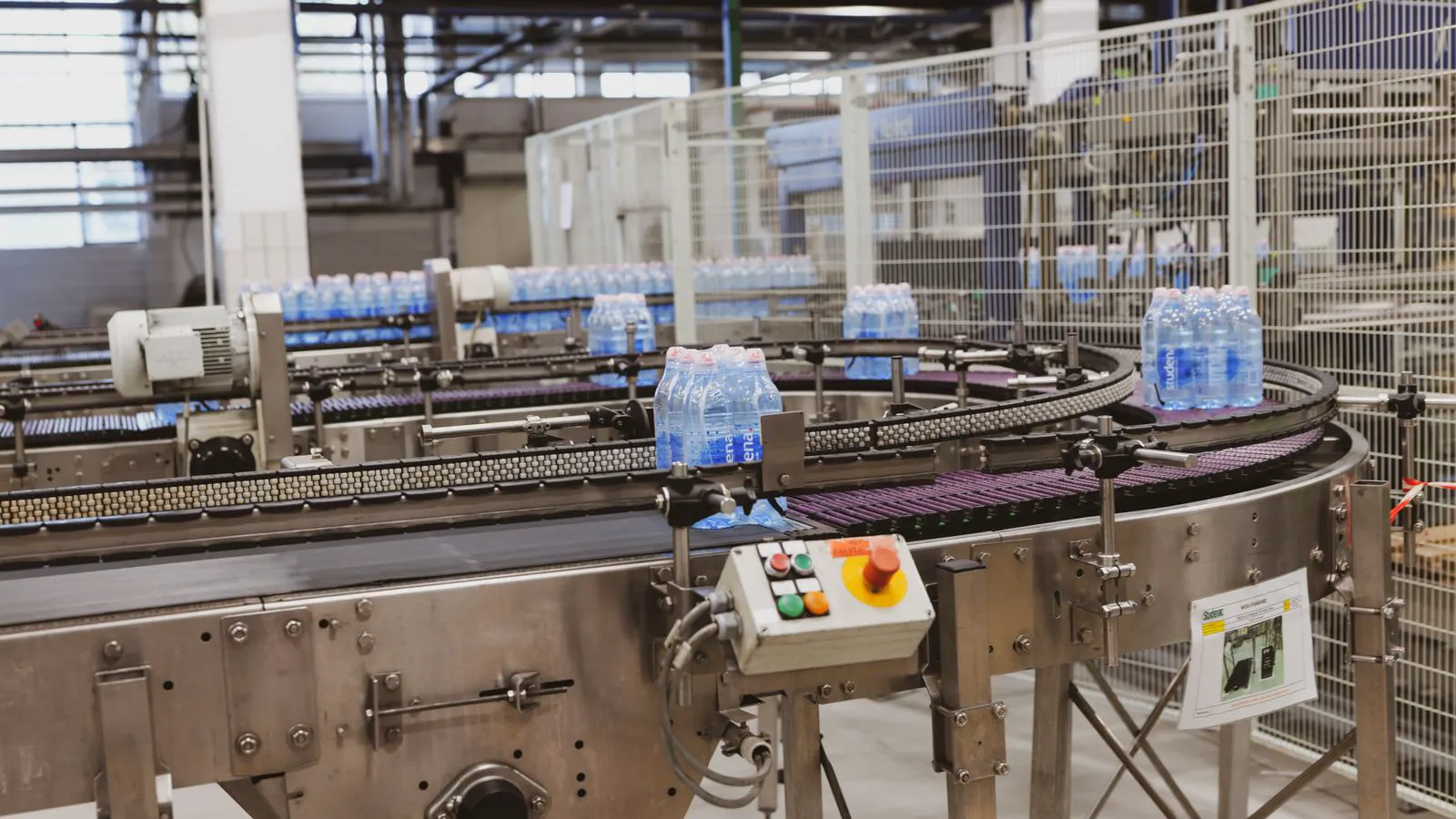
Industry Applications
The Future of Automated Molding Inspection
Automated molding inspection will change supplier quality expectations by shifting inspection from random sampling to continuous digital verification. Buyers must
Oct 4, 2026 · 7 min read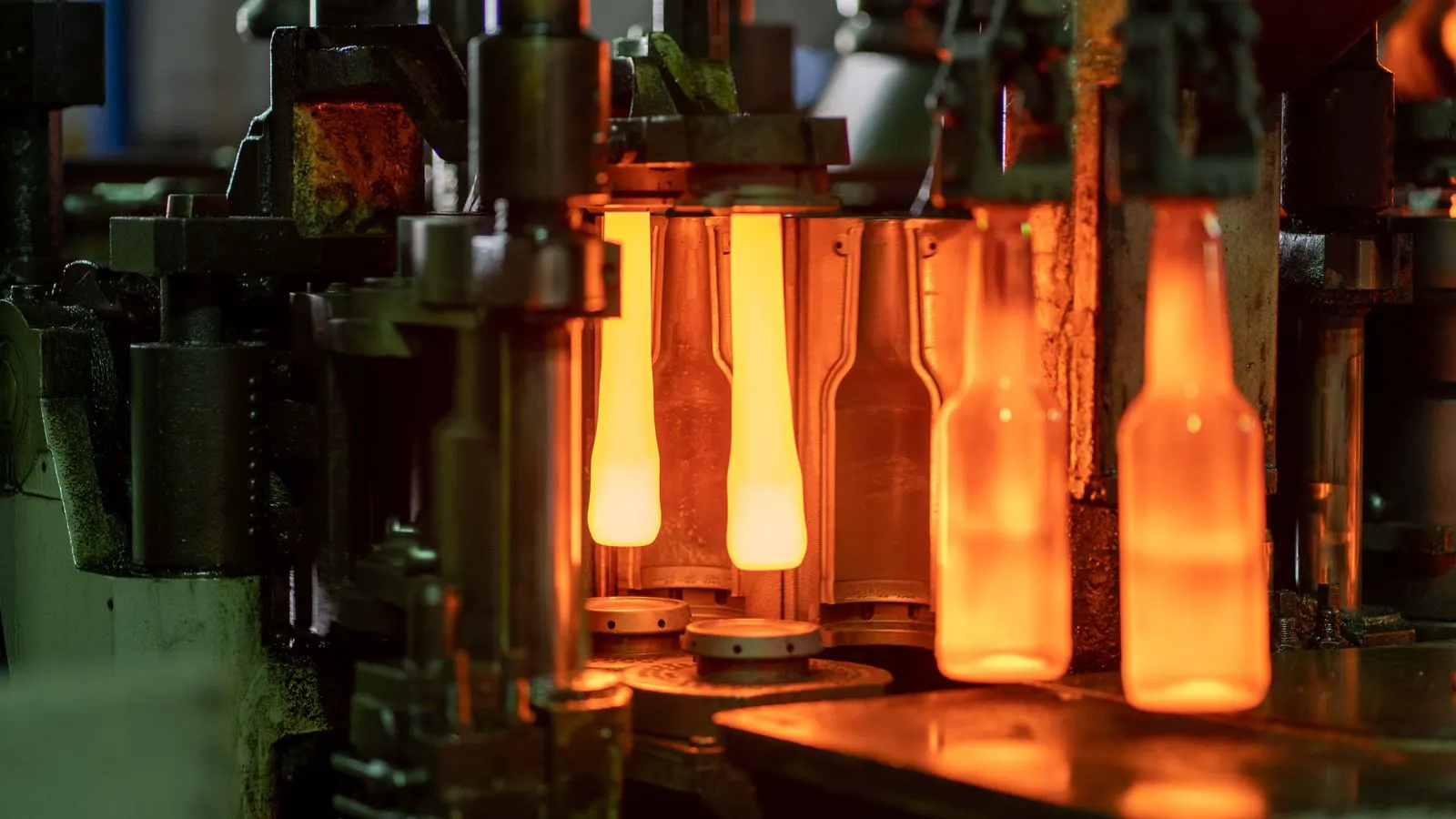
Industry Applications
Cost vs Lead Time: Electronics Housing Plastics
Balancing electronics housing plastics costs against lead times requires defining material properties, tolerances, and tooling upfront. A clear RFQ and fair quote
Oct 4, 2026 · 8 min read
Industry Applications
What Is Overmolding and When to Use It
Overmolding is a two-shot or secondary injection molding technique that bonds a second material onto a cooled base part. It is used when a single material cannot meet
Oct 4, 2026 · 7 min read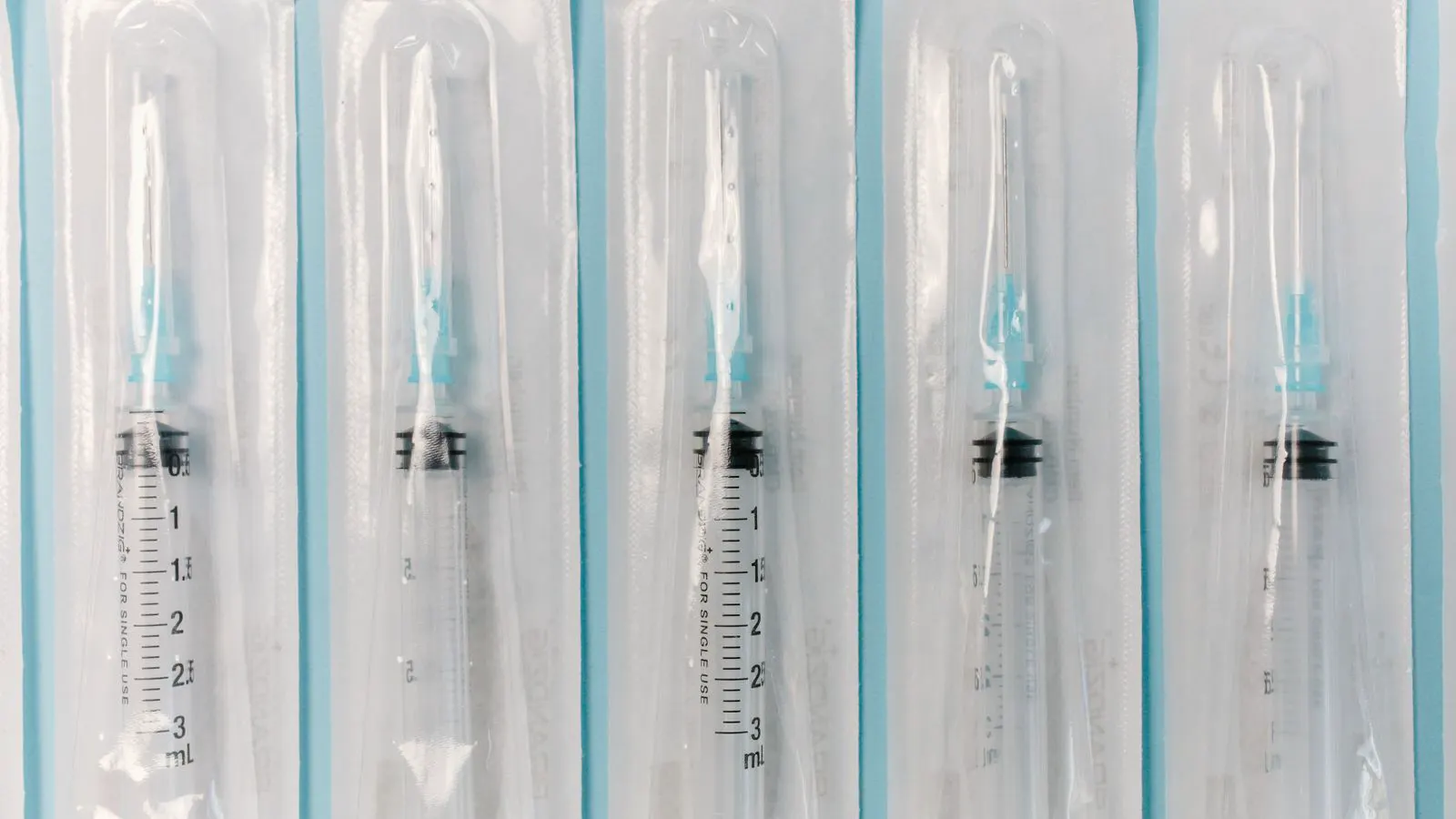
Industry Applications
Checklist: Packaging Plastics for Injection Molding
Use this checklist to verify packaging materials for injection molding. It covers resin selection, drying, cycle times, and surface quality checks. This prevents defects
Oct 4, 2026 · 7 min read