Digital tooling is reshaping mold manufacturing by replacing manual steps with automated, data-driven workflows. This shift reduces setup time, improves first-pass success rates, and tightens lead times. Buyers should plan for higher upfront digital costs, closer supplier collaboration, and greater emphasis on part design for manufacturability to capture these benefits.
- Digital tooling shifts cost pressure from labor hours to software and machine capability.
- Automated design checks reduce the number of revisions needed before first article approval.
- Shorter lead times come from parallel workflows that run design, simulation, and fabrication together.
- Buyers must update their RFQs to request digital documentation and simulation reports, not just drawings.
- In-house tool shops and contract suppliers are adopting these methods at different speeds, so capability varies widely.
How digital tooling changes the baseline for tooling
Mold manufacturing has always depended on a sequence of physical checks. A designer sends a drawing. A tooling shop reads it. A machinist sets up the work. A CMM verifies the final surface. Each handoff adds time and the chance for a small mismatch between the digital model and the physical die.
Digital tooling compresses that sequence. The core change is that the same 3D model drives the design review, the simulation, the CAM programming, and the final inspection. When the model is clean and the file format is consistent, the tool shop does not waste time interpreting ambiguous drawings or re-cutting features that were already verified in software.
This does not mean mold manufacturing is now fully automated. Most shops still use manual operations for complex cavities, hot runner systems, and intricate corework. The shift is in the front end and the verification steps. The machine still cuts steel, but the decision of where to cut is increasingly made by software that has already tested the geometry against the part and the process.
For buyers, this changes the negotiation. The cost of a mold is no longer just the hours a skilled operator spends with a hand tool. It is also the quality of the digital data, the simulation runs, and the automation that keeps the cutting cycle running without supervision.
What happens when CNC machining meets automation
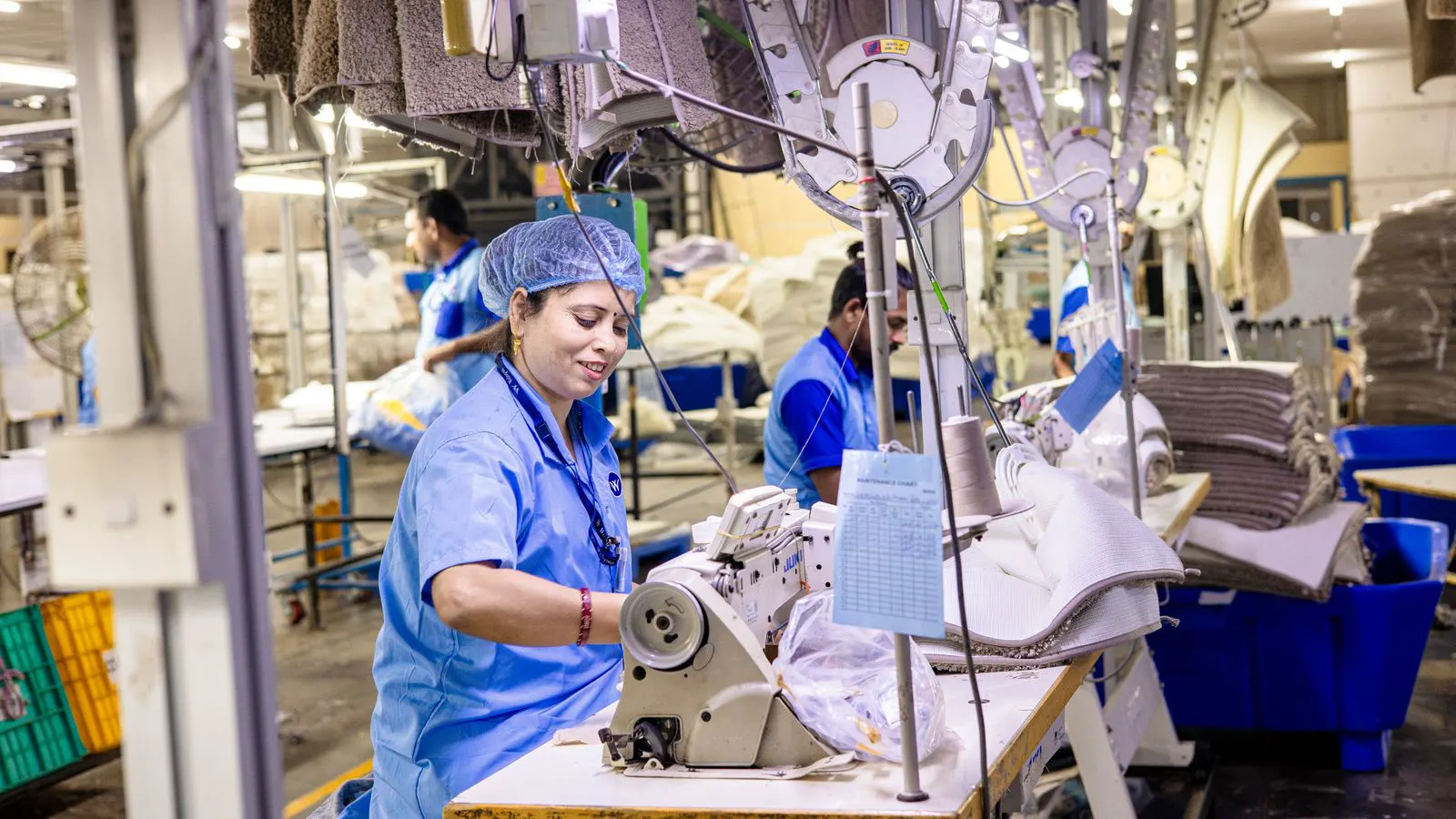
CNC machining has long been the backbone of mold production. The change now is the integration of automation into the shop floor. Robots load and unload workpieces. Automated coolant and chip management keep the machine running. Vision systems check the work in real time.
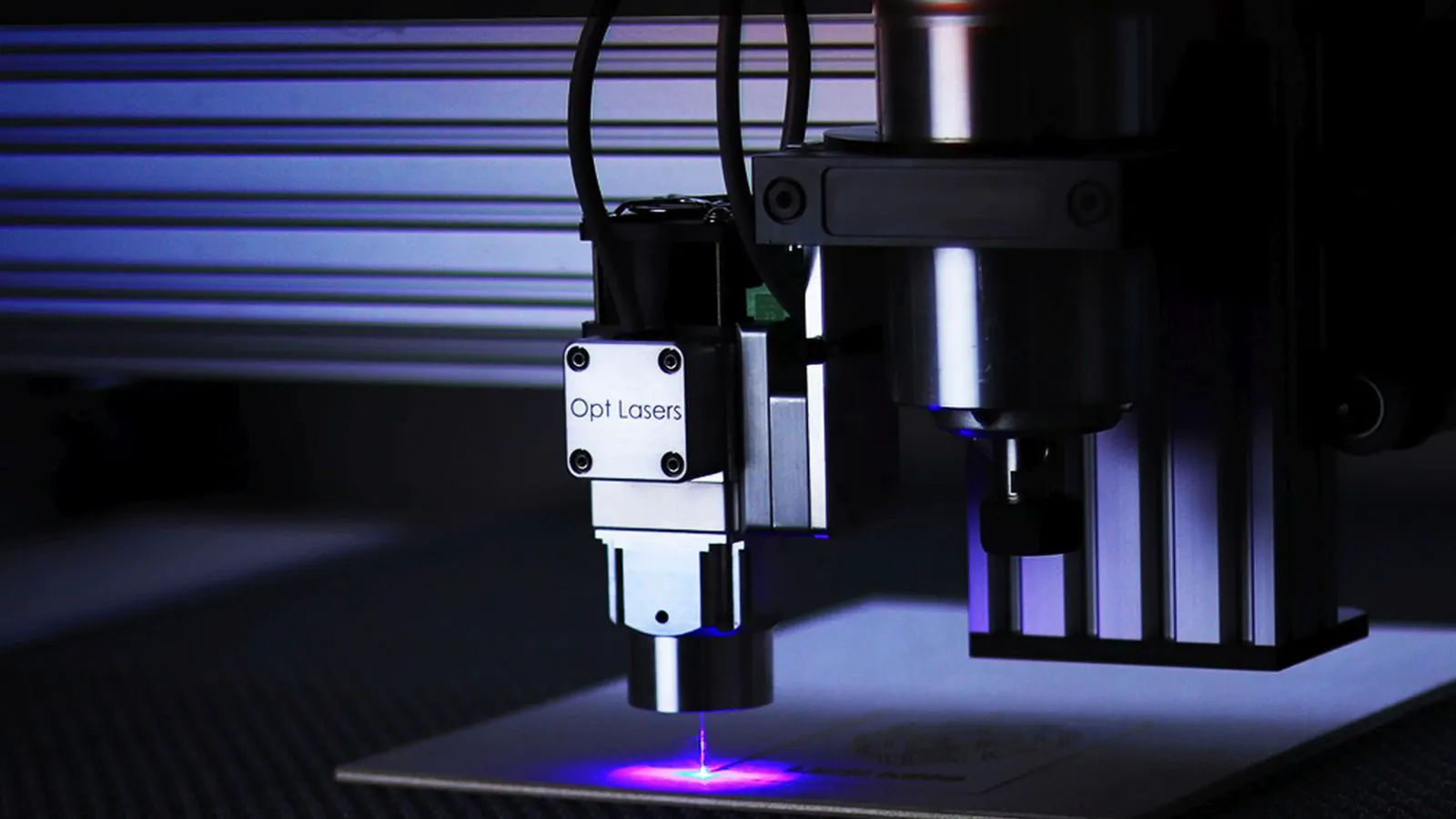
This integration matters most for repetitive operations. A mold may require hundreds of holes for cooling, ejector pins, or gate locations. If a manual operator drills each hole, the cycle time is high and the risk of drift is real. With automated drilling and tapping, the machine follows the CAM file with high repeatability. The operator shifts from cutting to monitoring and setup.
The practical effect is a faster first article and fewer reworks. When a feature is cut by a program that was validated against the 3D model, the chance of a dimensional error drops. If an error does appear, the shop can trace it back to the file, the tool path, or the machine setup rather than guessing.
Buyers should expect this level of automation to be standard in larger contract shops and increasingly available in smaller regional shops. The difference is in the scale. A large shop may run multiple CNC centers with full robotic loading. A smaller shop may use manual loading but still run fully programmed cycles. Both benefit, but the cost structure and lead time potential differ.
Five shifts buyers should plan for
The transition to digital tooling is not a single event. It is a set of changes that unfold over months and years. Buyers need to adjust their expectations and documentation to match.
-
Data quality becomes a cost driver. A clean, well-modeled part file saves time. A file with unresolved gaps, overlapping surfaces, or missing tolerances creates rework. The tool shop will spend time fixing the model, and that time is billed as labor.
-
Simulation becomes part of the tooling quote. Most serious shops now run moldflow or equivalent simulations as part of the design review. This is not optional for complex parts. It is the standard way to predict fill, weld lines, and cooling before steel is cut.
-
Lead times shorten, but the bottleneck moves. The machining time may drop, but the design and simulation phase becomes more critical. If the part design is unstable, the digital steps take longer. The total lead time depends on the stability of the input data.
-
The supplier’s role expands. The tool shop is no longer just a fabricator. It is a design partner that flags manufacturability issues early. This changes the relationship. You are not just buying a mold. You are buying a set of engineering inputs that shape the final part.
-
Cost shifts from labor to capability. The hourly rate for a machinist may stay flat, but the value of the shop’s digital infrastructure increases. A shop with strong automation and simulation may charge a premium, but it may deliver a mold with fewer iterations and a lower total cost of ownership.
How digital tools affect tooling costs
The cost structure of mold manufacturing is changing. The traditional model was simple. Material plus machine hours plus labor. The digital model adds software, data preparation, and automation.
In practice, the upfront cost for a digitally managed mold may be higher than a basic manual mold. The shop spends time on simulation, CAM programming, and data verification. These steps require skilled personnel and software licenses. The cost of this work is built into the quote.
However, the total cost often drops. Fewer revisions mean less rework. A mold that passes first article on the first try avoids the cost of re-machining, re-inspection, and delayed production. For high-volume parts, this saving is significant. For low-volume prototypes, the saving may be smaller, but the lead time gain is still valuable.
Buyers should not compare a digital tooling quote against a legacy quote without considering the total cycle. A higher upfront price may be offset by a faster time to production and a lower defect rate. The question is not just what the mold costs. It is what the entire tooling process costs when measured from design approval to first article.
How to prepare for digital tooling trends
Preparing for digital tooling is about changing how you send data and how you evaluate suppliers. The first step is to standardize your 3D files. Use a consistent file format. Apply tolerances correctly. Add notes that specify critical features. A clean file is the foundation of the digital workflow.
The second step is to request simulation reports. When you ask for a quote, ask for a summary of the moldflow analysis. Ask about the predicted fill pattern, the location of weld lines, and the recommended cooling layout. This data helps you make informed decisions before the steel is cut.
The third step is to define acceptance criteria early. What does a successful first article look like? What are the critical dimensions? What is the maximum allowable flash? Write this into the RFQ. Digital tools make it easier to measure these criteria, but only if you specify them clearly.
The fourth step is to evaluate the supplier’s digital stack. Ask what software they use. Ask how they manage version control. Ask if they have automated inspection capabilities. These questions reveal whether the shop is fully integrated or only partially automated. The answer will affect your lead time and your quality risk.
What to watch in the next cycle of tooling
The next phase of digital tooling will focus on connectivity. More shops are moving toward cloud-based data exchange. This means the part model, the simulation results, and the inspection reports can be shared in real time. The buyer can see the status of the mold from the shop floor without waiting for a weekly update.
There is also a growing interest in additive manufacturing for mold components. Additive processes are not replacing steel mold making for high-volume production. They are changing the way core parts, cooling inserts, and prototype molds are made. For parts with complex internal geometry, additive tooling can reduce machining time and allow features that are difficult to cut.
The combination of CNC machining, automation, and additive methods will continue to reshape mold manufacturing. The shops that adopt these methods will have a clear advantage in speed and quality. The buyers who understand these methods will be able to make better purchasing decisions and manage risk more effectively.
Digital tooling is not a future concept. It is the current standard for serious mold shops. The question for buyers is not whether to adopt it. The question is how to work with suppliers who already use it and how to prepare your own data to get the most from the process.
Frequently asked questions
What is the main difference between digital tooling and traditional tooling?
Digital tooling uses a single 3D model to drive design, simulation, and fabrication, reducing manual handoffs. Traditional tooling relies more on physical drawings and manual checks at each step.
Does digital tooling always reduce the cost of a mold?
Not always. The upfront cost may be higher due to software and data preparation. However, the total cost often drops because there are fewer revisions and reworks.
How much shorter can lead times become?
Lead time reductions vary by part complexity and supplier capability. For standard parts, the reduction can be significant. For complex parts, the benefit depends on the stability of the design data.
What should I include in my RFQ for a digitally managed mold?
Include a clean 3D file, clear tolerances, material specifications, and a request for simulation reports. Also define the acceptance criteria for the first article.
Do small tool shops use digital tooling?
Yes. Many small shops use CNC machining and basic simulation software. They may not have full robotic automation, but they can still benefit from digital workflows and reduced manual checks.