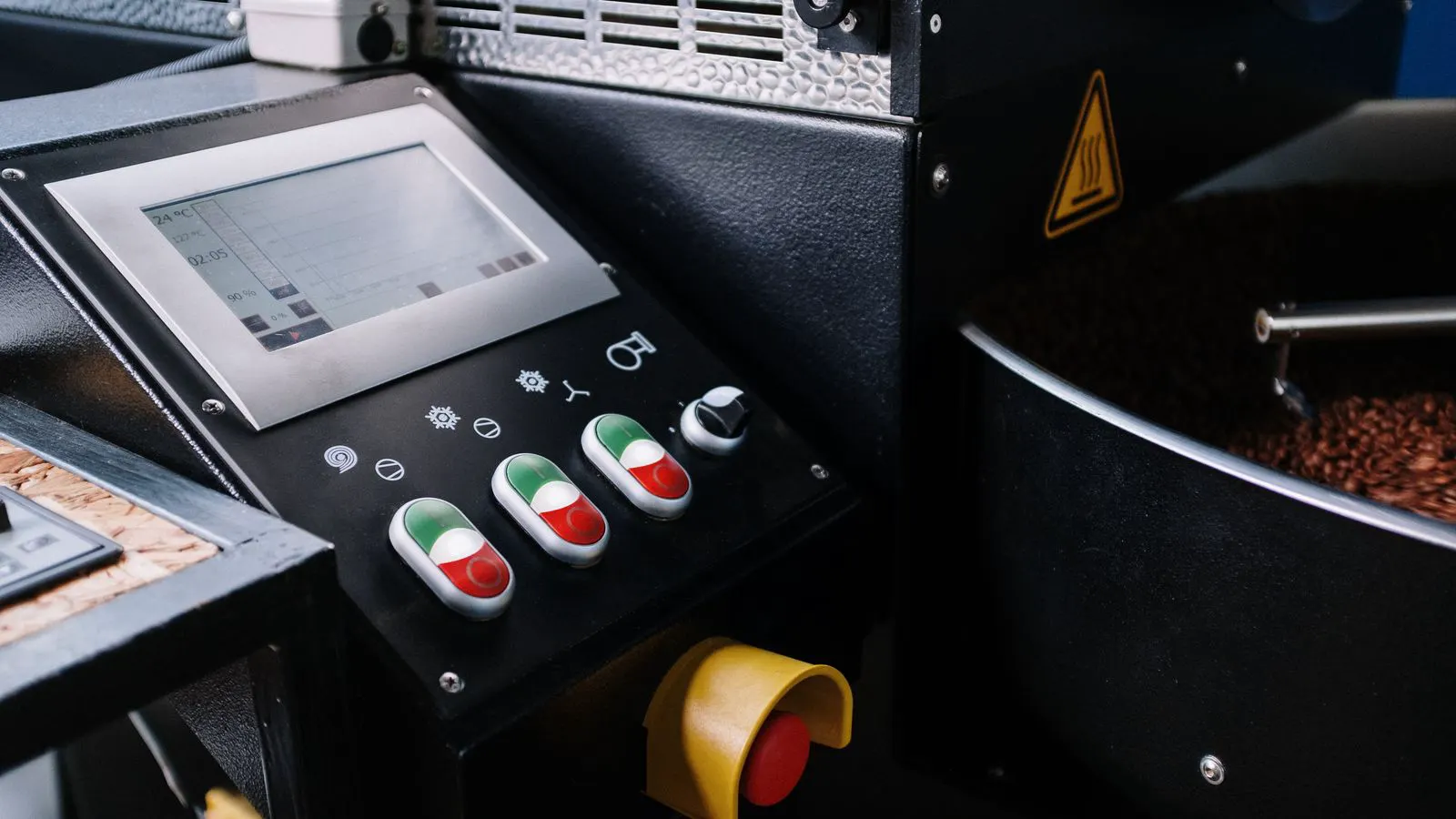
Predictive maintenance replaces fixed schedules with condition-based monitoring to protect molder press reliability. By tracking vibration, current, and thermal data, high-volume operations can cut unplanned downtime. This outlook covers five shifts buyers must plan for, including sensor integration, data governance, and operator training.
- Predictive maintenance shifts focus from calendar-based servicing to condition-based intervention.
- Vibration, motor current, and thermal sensors provide early warning signs of press failure.
- High-volume operations require a phased rollout to manage data volume and operator adoption.
- Maintaining press reliability requires clear ownership of maintenance data and action thresholds.
- Investment in predictive systems pays back through reduced scrap and extended part of life.
High-volume injection molding operations live and die by uptime. A single hour of unplanned stoppage can wipe out a day of profit, especially when tooling costs are amortized over tight production windows. Predictive maintenance addresses this risk directly. It replaces the traditional calendar-based service model with condition-based monitoring.
This approach uses sensor data to identify wear before it becomes a failure. For a procurement manager, the question is not whether to monitor the press. The question is how to implement monitoring without disrupting production or overloading the maintenance team. The path forward involves five distinct shifts in planning and preparation.
Shift One: Moving from Reactive to Condition-Based
The baseline for most molding plants is reactive maintenance. Technicians respond to alarms, broken parts, or failed shots. This model is simple but inefficient. It often results in over-maintenance of healthy components and under-maintenance of failing ones. A plant might replace hydraulic seals every six months, even if they show no signs of leakage, while ignoring a growing temperature variance in the injection unit that eventually leads to a shot failure.
Predictive maintenance changes this equation. Sensors track the health of critical press components in real time. Vibration sensors on the main drive motor can detect bearing wear. Current signatures on the hydraulic pump reveal cavitation or internal leaks. Temperature monitoring on the heating zones warns of element degradation. Consider a servo-driven injection press. If the current draw on the injection motor begins to creep upward over several weeks, it may indicate increased friction in the screw barrel or early bearing degradation. In a reactive system, the technician only learns of this when the motor trips or the shot weight drops. In a predictive system, the trend is visible days or weeks before the production impact.
The shift requires a change in mindset. Maintenance is no longer a calendar event. It is an ongoing data stream that requires interpretation. Buyers should expect a learning curve. The system does not just report faults; it reports trends. The value lies in acting on those trends before they cross a failure threshold. A maintenance team accustomed to fixing broken pumps must learn to interpret rising pump pressure curves. They must understand that a stable but high operating pressure is different from a fluctuating one. This transition moves maintenance from a repair function to a diagnostic function.
Shift Two: Sensor Integration and Data Architecture
Hardware selection determines the quality of the data stream. Most modern presses have basic PLCs that log process parameters like cycle time, injection pressure, and mold temperature. These are valuable for quality control but insufficient for failure prediction. Predictive maintenance requires more. It needs dedicated sensors for specific failure modes that the PLC does not inherently monitor.
Common sensor types include:
- Vibration transducers for motor and bearing health.
- Thermal cameras or infrared sensors for electrical connections and heating blocks.
- Acoustic sensors for detecting abnormal noise in hydraulic systems.
- Oil analysis sensors for detecting metal particles or moisture in lubricants.
Integration is the technical hurdle. Data must flow from the press sensors to a central platform where it can be analyzed. This often involves retrofitting older machines or connecting new machines to an existing industrial network. Retrofitting a twenty-year-old hydraulic press presents unique challenges. The machine may lack digital ports or standard communication protocols. Integrators may need to install external sensors that bolt to the motor housing or tap into the hydraulic lines. The data from these sensors must be converted into a format the central platform can understand.
Buyers should plan for network security. Adding sensors to a production floor expands the attack surface. Data must be protected from unauthorized access. The architecture should support both local storage and cloud analytics, allowing the plant to choose its data ownership model. Some plants prefer to keep sensitive production data on local servers to maintain control over proprietary cycle parameters. Others favor cloud platforms for the scalability and remote access capabilities. The choice depends on the plant’s IT infrastructure and security policies. It is critical to define these boundaries before selecting hardware.
Shift Three: Defining Action Thresholds
Data without context is noise. A predictive maintenance system is only as good as the thresholds set for intervention. If the alert triggers too early, operators ignore it. If it triggers too late, the component fails. This is the most common failure point in predictive maintenance implementations. A system that alerts on every minor vibration spike creates alert fatigue. Operators learn to dismiss the screen. When a real failure is approaching, the alert is lost in the noise.
This shift requires collaboration between maintenance engineers, process engineers, and data analysts. Thresholds should be based on baseline performance. The system learns what “normal” looks like for each specific press. Then it flags deviations. A new press and a used press running the same part will have different baseline vibrations. A press running a rigid polyethylene part will have different hydraulic pressure profiles than one running a flexible nylon part. The thresholds must account for these variables.
For example, a slight increase in vibration amplitude might indicate a loose coupling. A gradual rise in motor current might suggest hydraulic pressure loss. The thresholds must be specific to the machine. A general rule of thumb does not work. Maintenance teams need clear playbooks. When a sensor triggers a warning, what is the first check? What is the second? Who is responsible for the inspection? Without these procedures, data alerts become just another nuisance on the operator’s screen. A playbook should specify that a level 1 vibration alert requires a visual inspection of the motor mounts. A level 2 alert requires a vibration analysis by a technician. A level 3 alert requires immediate shutdown. Defining these steps in advance ensures a coordinated response.
Shift Four: Operator and Maintenance Training
The technology fails if the people cannot use it. Operators and maintenance technicians must understand what the data means. They do not need to be data scientists, but they need to understand the basic indicators. An operator who does not know what a yellow alert signifies will not act on it. A technician who does not know which sensor to check will waste time.
Training should cover three areas:
- How to read the dashboard and identify abnormal trends.
- How to perform basic sensor maintenance, such as cleaning vibration probes.
- How to document findings and trigger work orders.
The goal is to reduce the gap between data collection and action. If an operator sees a yellow alert on the screen, they should know to inspect the corresponding component. If a maintenance technician receives a work order based on sensor data, they should know what to look for. Training should include hands-on sessions with the actual dashboard. Operators should practice identifying a rising current trend versus a stable one. Technicians should practice interpreting vibration spectra.
This shift also addresses change management. Operators may resist new monitoring systems if they feel watched or if the system adds work. Clear communication about how the data reduces unplanned downtime and improves job security helps build buy-in. If the system identifies a failing part before it stops production, the operator’s job is preserved. The shift is from firefighting to prevention. Framing the technology in these terms makes it a tool for job stability rather than a surveillance device.
Shift Five: Measuring ROI and Refining the Model
Predictive maintenance is an investment. Buyers need a way to measure its impact. The primary metric is reduction in unplanned downtime. Secondary metrics include mean time between failures and mean time to repair. Without these metrics, the project remains a tech experiment rather than a business solution.
The return on investment comes from several sources:
| Benefit Category | Description |
|---|---|
| Reduced Downtime | Fewer unplanned stops due to early failure detection. |
| Extended Asset Life | Components are serviced before severe damage occurs. |
| Lower Scrap Rates | Press stability improves, reducing defect rates. |
| Optimized Spare Parts | Inventory is managed based on actual wear, not guesswork. |
| Energy Efficiency | Faulty components often consume more power; fixing them saves energy. |
The model must be refined over time. The first year of operation is about establishing baselines and tuning thresholds. The second year is about refining playbooks and automating responses. Buyers should plan for a multi-year commitment. The system gets smarter as it learns more about the specific fleet. For example, after one year, the system may identify that a specific vibration pattern always precedes a hydraulic hose burst. The threshold can then be adjusted to catch this specific failure mode earlier. The ROI is not immediate. It builds as the data set grows and the accuracy of predictions improves.
Preparing for the Transition
Preparing for predictive maintenance requires a phased approach. Do not try to monitor every component at once. Start with the most critical assets. The main drive motor and hydraulic power unit are typically the first targets. They have high failure rates and significant downtime impact.
Create a pilot program. Install sensors on one or two presses. Track the data for a quarter. Review the alerts and adjust thresholds. Document the results. This pilot provides the evidence needed to justify a plant-wide rollout. A pilot also reveals integration issues. It may show that the network bandwidth is insufficient or that the sensors are prone to false positives. Addressing these issues on a small scale is far cheaper than fixing them across the entire plant.
Also, review your maintenance contracts. Some OEMs offer predictive maintenance services. They may provide the hardware and analytics platform as a subscription. This shifts the cost from capital expenditure to operational expenditure. It also transfers some technical risk to the service provider. This model is attractive for plants that do not have in-house data science capabilities. It allows the plant to focus on production while the service provider manages the monitoring infrastructure.
The final shift is cultural. Predictive maintenance is not a one-time project. It is a continuous improvement cycle. Data is reviewed, thresholds are tuned, and playbooks are updated. The goal is to create a feedback loop where the press data directly informs maintenance decisions. Weekly reviews of the data should be part of the maintenance routine. The team should discuss false alerts, missed detections, and new failure patterns. This ongoing dialogue ensures the system remains effective.
Final Thoughts for Buyers
For procurement managers, predictive maintenance is a risk management tool. It protects the high-volume production schedule. It reduces the financial shock of unexpected breakdowns. It extends the useful life of expensive press equipment.
The key to success is preparation. Plan for the five shifts outlined above. Budget for hardware, integration, and training. Assign clear ownership for the data and the action thresholds. Engage your maintenance team early.
The presses that monitor their own health will run longer, cleaner, and more predictably. The buyers who prepare for this transition will secure a competitive advantage in uptime and quality.
Frequently asked questions
What is the most common sensor used for predictive maintenance on injection molding presses?
Vibration sensors on the main drive motor are widely used. They detect bearing wear and misalignment before they cause a complete failure.
Do I need a cloud platform to implement predictive maintenance?
No. You can start with local servers and basic analytics. The choice between local and cloud depends on your data security policies and the need for remote monitoring.
How long does it take to see a reduction in downtime?
It varies by plant. Baseline data collection usually takes one to three months. Significant downtime reduction is often seen after six months to one year of tuned operation.
Can predictive maintenance replace scheduled maintenance?
No. It complements it. Scheduled maintenance for consumables like seals and filters is still necessary. Predictive maintenance handles structural and mechanical components.
What is the biggest mistake buyers make when starting predictive maintenance?
Ignoring operator training. If the people on the floor do not understand the alerts, the system will not work. Training and clear playbooks are mandatory from day one.