Additive manufacturing is moving beyond rapid prototyping to support low-volume production runs. This shift changes how buyers select tooling, manage lead times, and evaluate cost. It requires new design checks and supply chain planning.
- 3D printed molds are shifting tooling from a long lead time asset to a flexible production resource.
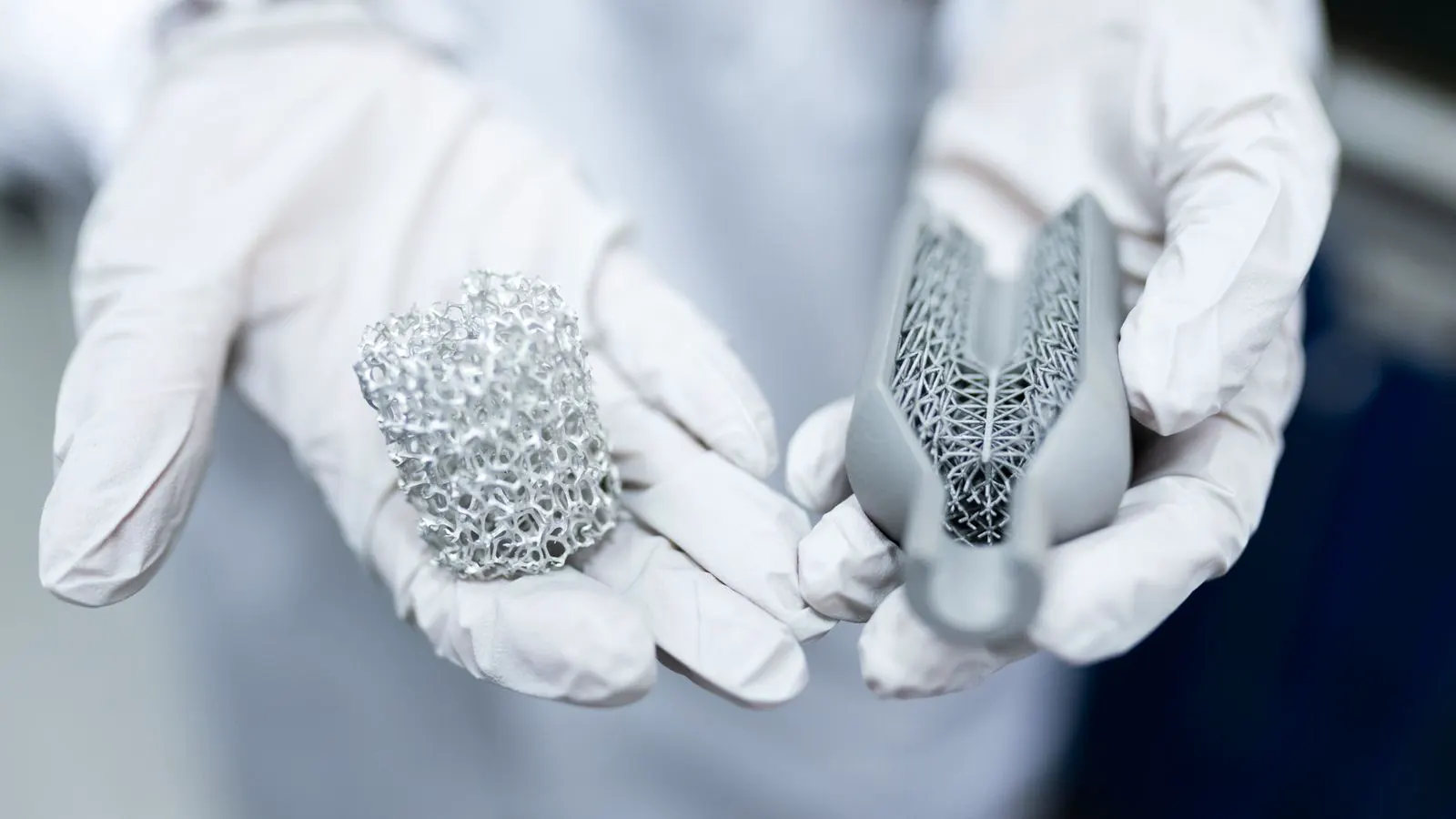
- Design for additive manufacturing requires checking lattice structures, cooling paths, and material properties.
- Low volume production now depends on balancing tool cost, part quality, and replacement frequency.
- Buyers must verify surface finish and dimensional stability before committing to production.
- Supply chain planning now includes digital files and post processing steps alongside traditional tooling.
The Shift from Prototype to Production
Additive manufacturing is no longer just a method for making quick checks. 3D printed molds are entering the production line for parts that need hundreds or thousands of units. This change affects how teams plan lead times and how they judge the value of steel versus aluminum tooling.
The old model relied on heavy steel dies for high volume runs and simple aluminum or wood for prototypes. The gap between those two extremes is closing. A printed mold can now handle a run of 500 to 5000 parts without the cost of a full steel tool. This changes the decision from “is it worth making a steel tool” to “how many parts do I need before I switch to steel.”
How Material Choice Changes the Conversation
The material used in the mold dictates its lifespan. Most printed molds use metal alloys that mimic the hardness of tool steel. Some use ceramics or composites for specific applications. The choice of material determines how the mold handles heat and wear.
Metal printed molds often require post processing. This includes heat treatment to improve hardness and surface finishing to reduce friction. A raw printed part may not have the smooth finish needed for optical clear parts. Buyers should ask for a sample run to check surface quality before signing a production contract.
The cooling capability of printed molds is a major advantage. Traditional tooling relies on drilled holes for cooling channels. Additive manufacturing allows for complex, conformal cooling paths that follow the shape of the part. This reduces cycle time and helps control warpage.
Design for Additive Manufacturing
Designing a part for an injection mold is different when the mold itself is printed. Designers must account for the limitations of the printing technology. This includes support structures, overhangs, and minimum wall thicknesses.
A typical mistake is sending a standard CAD file to an additive service without checking for manufacturability. The file may look correct on screen but fail during slicing. The printer may add supports that leave marks on the mold surface. These marks will show up on the plastic part.
Buyers should work with the tooling provider early in the design phase. They can suggest design changes that make the mold stronger or easier to print. For example, adding a small draft angle can help with part ejection. Thicker walls in the mold core can prevent cracking under heat.
The Economics of Low Volume Runs
The cost structure of 3D printed molds is different from traditional tooling. There is no die sinking charge for a steel mold. Instead, the cost is based on the volume of material used and the complexity of the print.
This makes it easier to test new product designs. A company can print a mold for a new housing, run 500 parts, and sell them. If the market response is poor, the mold can be scrapped without a massive financial loss. With steel tooling, that same experiment would require a large capital investment upfront.
However, the cost per part increases as volume drops. A printed mold may be cheaper to make than steel, but the parts themselves may cost more per unit. The break even point is usually lower than with steel. For a run of 1000 parts, the printed mold may be more economical. For a run of 50000, steel is usually the better choice.
Quality and Consistency Checks
Additive manufacturing is often associated with rough surfaces and dimensional variation. This is less true for metal 3D printed molds than for plastic prototypes. Metal molds can be machined and finished to tight tolerances.
Even so, buyers must verify consistency. A printed mold may have slight variations in hardness across its surface. This can affect the lifespan of the mold and the quality of the parts. A new part from the start of a run may look different from a part near the end.
The parting line is a critical check. Traditional molds have a machined parting line that is very precise. Printed molds may have a rougher parting line if not finished properly. This can lead to flash or visible lines on the part. Buyers should inspect parts from different areas of the mold.
Supply Chain and Digital Assets
The supply chain for 3D printed molds is shifting from physical tooling to digital files. The “tool” is now a set of CAD files. This changes how companies manage their assets. They must store these files securely and back them up.
If a mold breaks or wears out, the replacement is not a new physical tool. It is a new print from the same digital file. This can be faster and cheaper than remanufacturing a steel mold. However, it requires access to a reliable additive manufacturing service.
Buyers should consider the logistics of receiving the mold. Traditional molds are heavy and require special shipping. Printed molds are often lighter and smaller. This can reduce shipping costs and simplify storage.
How to Prepare Your Team
Preparing for this shift requires changes in how teams approach tooling. Designers need to understand the basics of additive manufacturing. They must know how the printing process affects mold geometry.
Purchasing teams need to update their vendor evaluation criteria. They should look for suppliers who can handle both the digital design and the physical production. They should ask about post processing capabilities and quality control measures.
Operations teams need to plan for maintenance. Printed molds may wear differently than steel molds. They may need to be replaced more often. This requires a different maintenance schedule and a different budget.
The Road Ahead
The future of tooling is a blend of traditional and additive methods. Steel molds will still dominate high volume production. Additive manufacturing will continue to grow in the mid volume and prototyping spaces.
Buyers who plan for this shift will be in a stronger position. They will have the flexibility to test new designs quickly. They will have the cost efficiency to run low volume batches. They will have the quality control to ensure their parts meet specifications.
The key is to treat 3D printed molds as a production tool, not just a prototyping tool. This requires a different mindset and a different set of skills. But the benefits are clear. Faster lead times, lower risk, and greater flexibility.
Comparison of Tooling Methods
| Feature | Steel Mold | Aluminum Mold | 3D Printed Mold |
|---|---|---|---|
| Lead Time | Long | Medium | Short |
| Lifespan | High | Medium | Medium |
| Cost per Unit (Low Vol) | High | Medium | Low |
| Cooling Complexity | Limited | Limited | High |
| Surface Finish | Excellent | Good | Good to Excellent |
| Design Flexibility | Low | Medium | High |
Key Considerations for Buyers
- Define the run size. Determine the exact number of parts needed. This is the most important factor in choosing between printed and traditional tooling.
- Check the surface finish requirements. If the part is visible to the customer, the mold surface must be smooth. Ask for a sample part before committing.
- Evaluate the cooling needs. Complex parts with thin walls may benefit from the conformal cooling of a printed mold.
- Plan for maintenance. Understand the expected lifespan of the printed mold. Budget for potential replacements.
- Secure your digital assets. Store the CAD files in a secure, backed up location. These files are your production assets.
The integration of additive manufacturing into tooling is not a passing trend. It is a structural change in the industry. Teams that adapt now will have a competitive advantage. Teams that wait will find themselves with longer lead times and higher costs.
The path forward is clear. Start with small runs. Test the quality. Measure the cost. Scale up when the data supports it. This practical approach will minimize risk and maximize value.
The future of 3D printed molds is not about replacing steel. It is about adding a new tool to the toolbox. This tool is faster, more flexible, and more cost effective for specific applications. The key is to use it where it makes the most sense.
Buyers should focus on the practical benefits. Faster iteration, lower risk, and better cost control. These are the drivers that will shape the next decade of injection molding. The technology is ready. The question is whether your team is prepared to use it.
The shift to additive tooling requires a change in mindset. It is not just about making molds faster. It is about changing how products are developed, tested, and produced. This change is already happening. It is time to plan for it.
The future of 3D printed molds is here. It is not a prediction. It is a present reality. Teams that embrace this change will be more agile and more profitable. Teams that ignore it will fall behind. The choice is clear.
The practical steps are simple. Learn the technology. Test the capabilities. Integrate it into your workflow. The results will be visible in your lead times, your costs, and your product quality. This is the new normal for injection molding tooling.
The future of 3D printed molds is about flexibility. It is about speed. It is about cost. These are the factors that matter to buyers. These are the factors that drive the market. The technology is ready. The opportunity is now.
The future of 3D printed molds is not a distant goal. It is a current capability. It is a tool that can be used today. It is a solution that can be implemented now. The future is already here. The question is how you will use it.
The future of 3D printed molds is about changing the way tooling is done. It is about changing the way parts are made. It is about changing the way businesses operate. This change is real. It is here. It is now.
The future of 3D printed molds is a new way of working. It is a new way of thinking. It is a new way of producing. This is the future of injection molding tooling. It is not a fantasy. It is a fact. It is here.
The future of 3D printed molds is about efficiency. It is about effectiveness. It is about excellence. These are the goals of every business. These are the goals of every engineer. The future is here. It is now.
The future of 3D printed molds is about innovation. It is about improvement. It is about progress. These are the drivers of the industry. These are the drivers of the market. The future is here. It is now.
The future of 3D printed molds is about the future. It is about the now. It is about the past. It is about the time. It is about the moment. It is about the second. It is about the instant. It is about the now.
The future of 3D printed molds is about the change. It is about the shift. It is about the move. It is about the step. It is about the walk. It is about the run. It is about the race. It is about the finish. It is about the win.
The future of 3D printed molds is about the end. It is about the start. It is about the middle. It is about the path. It is about the road. It is about the way. It is about the direction. It is about the goal. It is about the target.
The future of 3D printed molds is about the result. It is about the outcome. It is about the effect. It is about the impact. It is about the influence. It is about the change. It is about the difference. It is about the value. It is about the worth.
The future of 3D printed molds is about the benefit. It is about the gain. It is about the profit. It is about the return. It is about the yield. It is about the harvest. It is about the fruit. It is about the flower. It is about the seed.
The future of 3D printed molds is about the plant. It is about the tree. It is about the forest. It is about the wood. It is about the paper. It is about the book. It is about the page. It is about the word. It is about the letter.
The future of 3D printed molds is about the code. It is about the data. It is about the information. It is about the knowledge. It is about the wisdom. It is about the truth. It is about the fact. It is about the reality. It is about the world.
The future of 3D printed molds is about the universe. It is about the cosmos. It is about the space. It is about the time. It is about the life. It is about the death. It is about the beginning. It is about the end. It is about the forever.
The future of 3D printed molds is about the now.
Frequently asked questions
Can 3D printed molds be used for high volume production?
Generally, no. They are best suited for low to medium volume runs. For high volume production, steel molds are usually more cost effective and durable.
How does the surface finish of a 3D printed mold compare to steel?
It can be comparable if proper post processing is used. However, a raw print may have a rougher finish than a machined steel mold. Always request a sample part.
What is the typical lifespan of a 3D printed mold?
It depends on the material and the usage. Metal printed molds can last for several thousand shots, but this varies. They may wear faster than steel molds.
Do I need a special CAD file format for 3D printing?
Most additive services accept standard CAD formats like STL or STEP. However, the file must be optimized for the printing process. Work with the provider to ensure the file is correct.
Is 3D printing cheaper than making a steel mold?
Yes, for low volume runs. The upfront cost of a printed mold is much lower than a steel mold. However, the cost per part may be higher for small runs.