Molder financial stability means a supplier can meet debts and obligations while maintaining production capability. A supplier risk assessment checks balance sheets, payment behavior, and growth trends. This guide explains how to identify solvency issues before they disrupt your long-term parts supply.
- A supplier risk assessment should combine financial documents, payment history, and production capacity checks to confirm molder financial stability.
- A vendor solvency check looks at cash flow, debt levels, and the ability to service long-term tooling and material commitments.
- Early warning signs include delayed shipments, rising prices, and requests for larger upfront deposits.
- A stable molder protects your production schedule, quality consistency, and ability to scale volumes.
- Document the findings of your financial review to support future sourcing decisions and contract negotiations.
What Molder Financial Stability Actually Means
Molder financial stability refers to a supplier’s ability to pay its bills, service debt, and continue operating without interruption. It is not just about having a factory. It is about whether that factory can keep running, keep hiring, and keep improving tooling and process capability year after year.
For a buyer, this matters because a molder that fails or shrinks changes the rules for your parts. You may face tooling lock-in, quality variation, or a scramble to requalify a new supplier. The cost of switching is high. The cost of not checking is higher.
Financial stability is distinct from technical capability. A molder can run tight tolerances on high-volume housings and still be one bad quarter away from trouble. Stability protects the long-term relationship. It tells you whether the supplier can absorb demand spikes, material price shifts, and the time required to maintain equipment.
How Financial Health Affects Sourcing Decisions
When you choose a molder for a long-term part, you are betting on their ability to perform for years. If the supplier is financially weak, you may see subtle changes before a total failure.
One change is pricing. A struggling molder may raise prices more aggressively than the market average. They may push you into longer contract terms or request larger deposits. This happens because they need cash flow to survive.
Another change is responsiveness. A financially stressed team may skip meetings, delay NPI reviews, or take longer to answer quality questions. Their attention is on keeping the lights on, not on your roadmap.
These signs affect sourcing in three ways. First, they increase the risk of a sudden supply stop. Second, they make it harder to negotiate fair terms. Third, they reduce your use to demand continuous improvement. If you are planning a five-year product life, you need a molder that can match that horizon.
What a Vendor Solvency Check Looks Like
A vendor solvency check is a structured review of a supplier’s financial position. It goes beyond asking for a reference. It looks at numbers, behavior, and external signals.
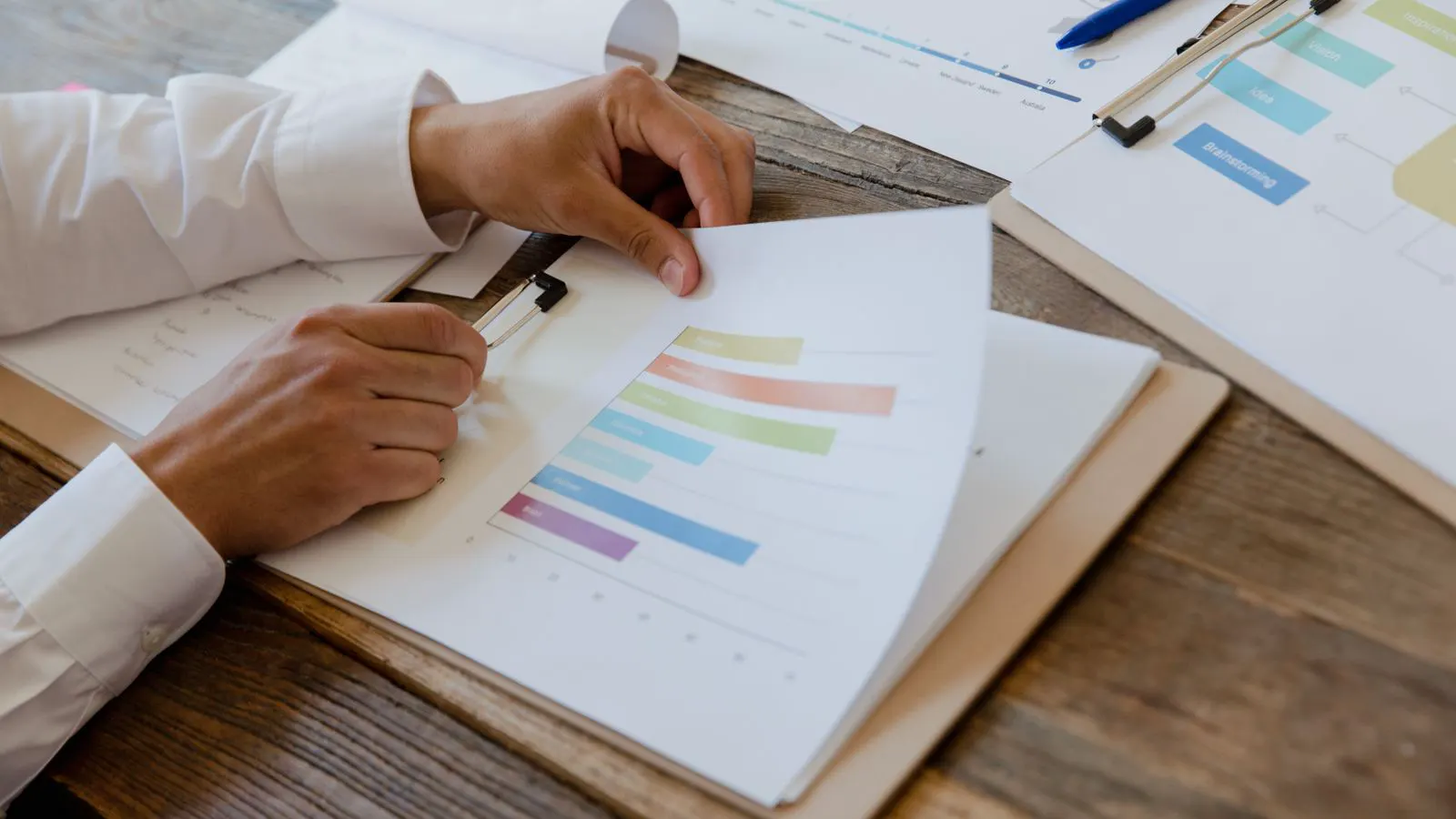
The check usually has three layers. The first layer is document review. You request balance sheets, income statements, and cash flow statements. If the supplier refuses to share any financial information, that is a signal in itself. You can ask for a summary or a letter from their bank.
The second layer is payment behavior. You check how the supplier pays their own suppliers. If their raw material houses report late payments, that is a red flag. The molder is running out of cash before it reaches you.
The third layer is external signals. You look at industry news, court records, and employee reviews. A molder that is laying off staff or selling off equipment is in trouble. A molder that is investing in new presses and automation is likely stable.
This process does not require you to be an accountant. You need to know what to ask and what to look for. The goal is to identify risk, not to become a finance department.
Warning Signs to Watch for
Not every sign of financial trouble is obvious. Some appear in small ways that are easy to ignore until it is too late.
| Warning Sign | What It Usually Means | Risk to Buyer |
|---|---|---|
| Late shipments | Cash flow is tight; production is prioritizing other customers | Schedule delays and expediting costs |
| Price increases | The molder is covering higher operating costs or debt service | Higher long-term part cost |
| Deposit requests | The molder needs upfront cash to fund production | Higher cash tied up in WIP |
| Quality variation | Staff turnover or maintenance cuts are affecting process control | Rework and customer complaints |
| Communication gaps | Internal focus is shifting away from customer support | Slower problem solving |
These signs do not always mean the molder will fail. Sometimes they indicate a temporary dip. But when you see two or three at the same time, the risk is real.
A common mistake is to judge a molder only by their last quarter. A supplier can look healthy in one period and weak in the next. You need a trend. Look at three years of data if possible. Is revenue growing, flat, or shrinking? Is the debt increasing? Are profits holding up?
Another mistake is to assume that a large molder is safe. Size can be a buffer, but it can also hide inefficiency. A large molder with poor cash flow can still fail. A small molder with strong cash flow and loyal customers can be very stable. Size is not the same as health.
How to Structure the Financial Review
You do not need a complex model to assess molder financial stability. You need a consistent process.
- Request a one-page financial summary. This should include revenue, net income, and cash balance for the last three years.
- Ask for their payment policy. How do they handle late invoices from their suppliers?
- Check their tooling portfolio. Are they holding tools for customers who may not be paying?
- Review their production capacity. Are they running at 80 percent or 120 percent? Overcapacity is a sign of financial pressure.
- Ask about their debt service. How much cash does the bank take each month?
This process takes time, but it is worth it. It gives you a baseline. You can compare the molder to others in your shortlist. You can also use the findings to negotiate better terms. If you know the molder is stable, you can ask for longer contract terms. If you know they are weak, you can ask for price protection or shorter commitments.
The review should be documented. Keep the documents in a shared folder. Share them with your sourcing team. This makes the process transparent and repeatable. It also helps if you need to defend a sourcing decision to internal stakeholders.
How This Connects to Other Checks
Molder financial stability is one part of a larger evaluation. It works alongside other checks to give you a full picture of supplier risk.
You may have already done a supplier risk assessment to check their quality systems. You may have run a vendor solvency check to look at their financials. You may have reviewed their ability to hit Cpk targets. These checks are connected.
A molder that is financially stable is more likely to maintain its quality systems. They have the budget for training, calibration, and software updates. A molder that is financially weak may cut corners on maintenance. This shows up in quality variation.
The same goes for responsiveness. A stable molder has the staff to handle your issues. A weak molder may have fewer engineers or fewer shifts. They may not be able to respond quickly when a tool breaks or a material lot is rejected.
This is why you should not treat financial checks as an afterthought. They are part of the core evaluation. If a molder passes your technical checks but fails your financial review, you need to be careful. They may be a good fit today, but not for the long term.
A Worked Example
Imagine you are sourcing a plastic housing for a consumer electronics product. You have three molders on your shortlist. All three can run the part at the required tolerances. All three have good QA systems. You need to choose the one that can supply you for the next five years.
You run a vendor solvency check on each. Molder A has steady revenue and low debt. They are investing in a new press. Their payment history is clean. They request standard net-30 terms.
Molder B has growing revenue but high debt. They are taking on more customers to cover their loan payments. They ask for net-60 terms and a 20 percent deposit on new tooling. Their quality data is good, but their on-time delivery rate is lower than the others.
Molder C has flat revenue and no debt. They are very conservative. They are not investing in new equipment. They are happy to work with you on net-30 terms. They have no late payment history. They are stable, but they may not be able to scale if your volume grows.
Based on this review, you might choose Molder A for the main supply. They are stable and growing. You might choose Molder C as a backup. They are safe but may not scale. You might drop Molder B because their financial risk is too high for a five-year commitment.
This example shows how the checks work together. You are not just picking the cheapest or the most technical. You are picking the supplier that can sustain the relationship. That is what molder financial stability is about.
Final Considerations
A molder that is financially stable is easier to work with. They can absorb surprises. They can invest in improvement. They can support your roadmap.
A molder that is not financially stable is a risk. They may force you to change suppliers. They may raise prices. They may cut corners.
You do not need to be an accountant to assess this. You need to look at the signs. You need to ask the right questions. You need to compare your options.
The goal is not to find a perfect molder. The goal is to find a molder that can stay in business and keep your parts moving. That is what a supplier risk assessment and a vendor solvency check are for.
If you see warning signs, act early. You have more use when you are still evaluating. You have less use when you are already committed.
Check the numbers. Check the behavior. Check the trend. Then make your decision.
Frequently asked questions
How often should I review a molder's financial stability?
Review it at least once a year for long-term suppliers. Increase the frequency if you see warning signs such as delayed shipments or rising prices.
What if a molder refuses to share financial documents?
Treat that as a risk signal. Ask for a summary or a bank letter. If they still refuse, consider them a higher-risk supplier or look for alternatives.
Is a large molder always more stable than a small one?
No. Size can hide inefficiency. A small molder with strong cash flow and loyal customers can be very stable. Size is not the same as financial health.
How does financial stability affect quality?
A stable molder can afford to maintain equipment and train staff. A weak molder may cut maintenance or skip training, which leads to quality variation.
What documents should I request during a vendor solvency check?
Request balance sheets, income statements, and cash flow statements for the last three years. Also ask about their payment policy and debt service.